

对比选择:电压测试仪|电压指示器|测试点(中英文)
电气安全并非一成不变。在正常运行时间和安全性同等重要的场合中,选择合适的电气安全验证工具至关重要。无论是在设计新设备还是升级现有控制面板,以下三种技术经常被提及:
• 无电压测试仪 (AVT)
• 电压指示器
• 电压测试点
根据 NFPA 70E 第 120.6 条的规定,每种设备在实现电气安全工作条件方面都发挥着不同的作用。但是,了解需要哪种设备以及何时使用,取决于人员、流程以及安全文化。
Electrical safety isn’t one-size-fits-all. In facilities where uptime matters as much as safety, choosing the right tools to verify electrical energy can make all the difference. Whether you’re designing new equipment or updating existing control panels, three technologies often come up in conversation:
• Absence of Voltage Testers (AVTs)
• Voltage Indicators
• Voltage Test Points
Each plays a different role in achieving an electrically safe work condition as defined by NFPA 70E Article 120.6. But knowing which device you need and when depends on your people, your process, and your safety culture.
明确目标:验证电气安全工作条件
Understanding the Goal: Verifying an Electrically Safe Work Condition
在进行任何维护或检查之前,工作人员必须确认电气设备已断电并已验证安全。NFPA 70E 概述了分步流程:
• 找出所有能源。
• 使用断路器、开关或隔离器隔离能源。
• 执行锁定/挂牌 (LOTO) 程序。
• 使用额定电压与系统电压相匹配的测试,设备验证是否存在电压。
最后的验证步骤——确认无电压——就需要用到自动电压测试仪 (AVT)、电压指示器和测试点等设备。每种设备都提供了一种独特的方法,使验证过程更安全、更快捷。
Before any maintenance or inspection, workers must confirm that electrical equipment is de-energized and verified safe. NFPA 70E outlines a step-by-step process:
• Identify all energy sources.
• Isolate energy using disconnects, switches, or breakers.
• Apply Lockout/Tagout (LOTO).
• Verify the absence of voltage using a test device rated for the system’s voltage.
That final verification step — confirming that no voltage is present — is where devices like AVTs, Voltage Indicators, and Test Points come into play. Each provides a unique way to make that verification safer and faster.
1. 无电压测试仪 (AVT)
Absence of Voltage Testers (AVTs)
AVT 是一种永久安装在电气设备上的自动化装置。它会执行一套独立的测试程序,以验证在工作人员开始维修设备之前确认没有电压。
AVT 的工作原理
电路隔离后,工作人员按下测试按钮。AVT 会自动执行其自身的通电-断电-通电测试程序:
• 通电:确认测试仪功能正常。
• 断电:测试所有相线,确保电压为零。
• 再次通电:验证功能是否发生变化。
当所有读数均确认安全时,AVT 会显示绿色的“无电压”指示。
合规性和标准
AVT 已在 NFPA 70E (2018) 中正式获得认可,并符合 UL 1436 和 IEC 61508 (SIL 3) 安全标准。它们符合 NFPA 70E 120.6 例外 1 的要求,允许经认证的 AVT 在无需手持式仪表的情况下执行所需的无电压验证。
何时使用 AVT
• 适用于执行机械上锁/挂牌 (LOTO) 且必须在开始工作前验证能量为零的非专业人员。
• 适用于需要重复执行隔离程序,且速度和简便性至关重要的情况。
• 适用于打开外壳会增加风险或导致长时间停机的环境。
AVT,例如 Grace Technologies 的新型 ChekSafe 无电压测试仪,提供最高级别的自动化和控制,从而减少在能量隔离的最后步骤中对个人防护装备 (PPE) 和人工验证的需求。
An AVT is an automated device permanently mounted on electrical equipment. It performs a self-contained test sequence to verify that voltage is not present before a worker begins servicing the equipment.
How AVTs Work
Once the circuit is isolated, the worker pushes a test button. The AVT performs its own live-dead-live sequence automatically:
• Live: Confirms the tester is functional.
• Dead: Tests all phase conductors to ensure zero voltage.
• Live again: Verifies functionality hasn’t changed.
When all readings confirm safe conditions, the AVT displays a green “absence of voltage” indication.
Compliance and Standards
AVTs were formally recognized in NFPA 70E (2018) and are covered under UL 1436 and IEC 61508 (SIL 3) safety standards. They meet NFPA 70E 120.6 Exception 1, allowing a listed AVT to perform the required absence-of-voltage verification without a handheld meter.
When to Use an AVT
• For non-qualified personnel performing mechanical LOTO who must verify zero energy before starting work.
• When repetitive isolation procedures make speed and simplicity essential.
• In environments where opening enclosures adds risk or causes significant downtime.
AVTs, like Grace Technologies new ChekSafe Absence of Voltage Tester, offer the highest level of automation and control, reducing the need for PPE and manual verification during the final step of energy isolation.
2. 电压指示器
Voltage Indicators
电压指示器通过面板门提供电压存在的直观确认。通常,它使用高亮度 LED 灯来显示电路或系统是否带电。
电压指示器的作用
电压指示器并不能取代无电压测试;相反,它们可以帮助工作人员在打开外壳之前识别是否存在电压。它们对于初步了解情况以及在 LOTO(上锁/挂牌)过程中确认能量已成功隔离至关重要。
• 指示灯亮起:存在电压——请勿继续操作。
• 指示灯熄灭:电路可能已断电,但仍必须通过无电压测试进行验证。
合规性和应用案例
电压指示器符合 NFPA 70E 120.6(4) 标准,该标准要求在测试前识别危险电压。它们可以增强视觉感知,并降低意外接触带电电路的可能性。
何时使用电压指示器
• 为接近配电箱的人员提供快速、直观的电压检测。
• 用于经常需要检修或维护的配电盘。
• 作为一种简单的改造方案,可立即提升现场感知能力和合规性。
电压指示器是第一道防线,但不能替代测试。
A Voltage Indicator provides a visual confirmation of voltage presence through the panel door. Typically, it uses bright LED lights to show when a circuit or system is energized.
How Voltage Indicators Help
Voltage indicators don’t replace absence-of-voltage testing; instead, they help workers recognize whether voltage is present before opening an enclosure. They are invaluable for initial awareness and for confirming energy has been successfully isolated during the LOTO process.
• When the indicator lights are on: Voltage is present — do not proceed.
• When the lights are off: The circuit is likely de-energized, but must still be verified with an absence-of-voltage test.
Compliance and Use Case
Voltage indicators comply with NFPA 70E 120.6(4), which requires identifying hazardous voltage before testing. They enhance visual awareness and reduce the likelihood of accidental contact with live circuits.
When to Use a Voltage Indicator
• To provide a quick, at-a-glance voltage presence check for anyone approaching an enclosure.
• In panels that are frequently accessed or maintained.
• As a simple retrofit that immediately improves situational awareness and compliance visibility.
Voltage indicators are a first line of defense, not a replacement for testing.

3. 电压测试点
Voltage Test Points
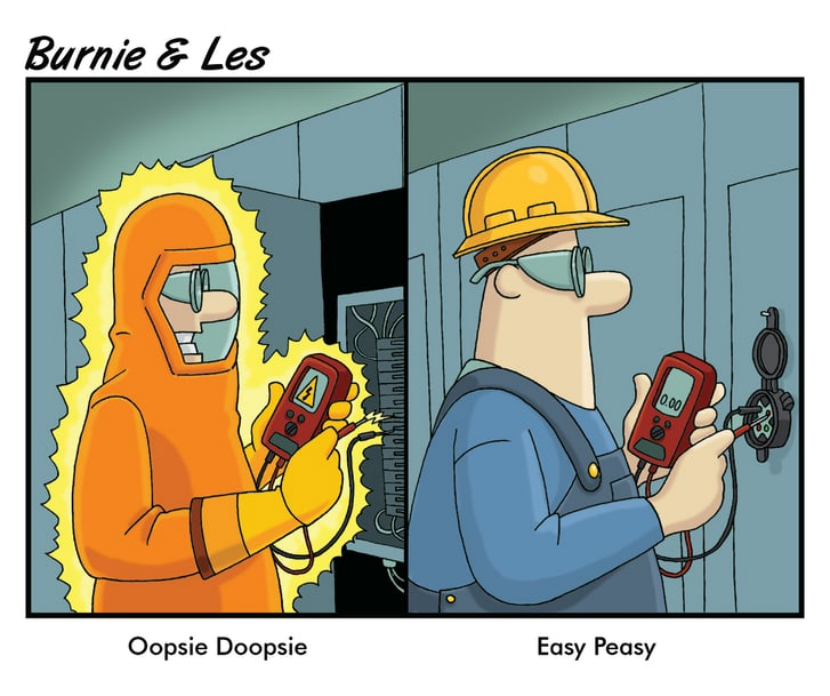
电压测试点允许合格的电工安全地连接万用表或其他额定测试设备,以验证是否存在电压,而无需打开配电箱外壳。
测试点的工作原理
这些设备提供从配电箱外部进行测试的通道,并采用高阻抗保护来防止电弧闪光或触电危险。工作人员将万用表探针连接到测试点端口,并对每个相线和接地连接进行必要的测量。
这满足了 NFPA 70E 120.6(7) 的要求,即使用“额定电压充足的便携式测试仪器”来验证是否存在电压。
何时使用电压测试点
• 当需要合格的电工使用自己的仪表验证是否存在电压时。
• 在手动验证仍然是标准做法的配电箱中。
• 作为改造安全计划的一部分,该计划在保持现有上锁/挂牌 (LOTO) 程序的同时,提高了可操作性。
电压测试点为合格的工人提供实际操作控制,使他们能够在保持完全合规性的同时,最大限度地减少接触带电导体的风险。
Voltage Test Points allow a qualified electrician to safely connect a multimeter or other rated test device to verify the absence of voltage — without opening the enclosure.
How Test Points Work
These devices provide test access to the outside of the panel, using high-impedance protection to prevent arc-flash or shock hazards. The worker connects the multimeter leads to the test point ports and performs the required measurement for each phase and ground connection.
This fulfills the NFPA 70E 120.6(7) requirement to verify absence of voltage with an “adequately rated portable test instrument.”
When to Use Voltage Test Points
• When a qualified electrician is required to verify the absence of voltage using their own meter.
• In panels where manual verification remains the standard practice.
• As part of a retrofit safety program that maintains existing LOTO procedures while improving accessibility.
Voltage Test Points provide hands-on control for qualified workers, enabling them to maintain full compliance while minimizing exposure to energized conductors.
选择合适的工具来完成工作
Choosing the Right Tool for the Job


这些设备均符合 NFPA 70E 中的风险控制层级,支持可减少风险暴露并简化合规性的工程控制。
Each of these devices fits within the Risk Control Hierarchy in NFPA 70E, supporting engineering controls that reduce exposure and simplify compliance.
结论
The Bottom Line
电气安全不必拖慢速度。自动电压测试仪 (AVT) 可自动完成验证。电压指示器可增强可视性。测试点使手动测试更安全、更快捷。
合适的组合取决于团队的资质、操作流程和运营目标——但这三者都拥有一个共同的目标:在确保每次验证均符合 NFPA 70E 标准的同时,最大限度地减少接触带电电压的风险。
Electrical safety doesn’t have to slow you down. AVTs automate verification. Voltage Indicators enhance visibility. Test Points make manual testing safer and faster.
The right combination depends on your team’s qualifications, your procedures, and your operational goals — but all three share a single purpose: reducing exposure to live voltage while ensuring NFPA 70E-compliant verification every time.
声明:
-文章转载自GRACE,由爱泽工业翻译,如有侵权,请联系删除!
-如有偏颇,欢迎指正!

 沪公网安备31011002006738号
